
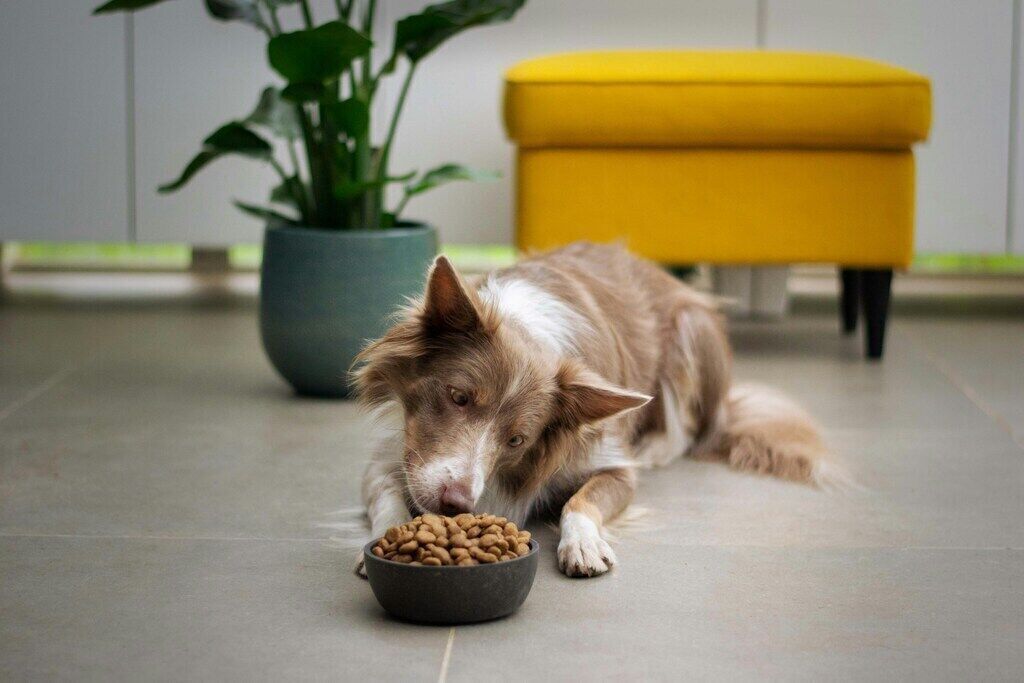
Dog Treats and Snacks: Healthy Options vs Junk Food
Every dog loves treats — those little moments of reward that make tails wag and eyes sparkle. Treats can be a valuable part of training, bonding, and even maintaining your dog’s oral health. However, not all treats are created equal. Many commercial snacks contain excessive calories, artificial flavors, or harmful additives.
In this article, we’ll break down the difference between healthy dog treats and junk food, explore natural alternatives, and offer guidelines to help you choose snacks that truly benefit your pet’s well-being.
The Purpose of Dog Treats
Dog treats are more than just tasty bites — they serve multiple purposes in a dog’s life:
Training Rewards:
Positive reinforcement with treats helps dogs learn commands faster and improves obedience.Bonding Moments:
Treating strengthens your connection, creating trust and affection.Dental Health:
Some treats are designed to reduce plaque and freshen breath.Nutritional Support:
Certain snacks can supplement vitamins, minerals, or joint health nutrients.
The key is moderation — treats should not exceed 10% of your dog’s daily calorie intake .
What Counts as “Junk Food” for Dogs?
Just like humans, dogs can suffer from unhealthy snacks filled with empty calories.
Here are signs a treat qualifies as junk food :
High Sugar Content:
Sweetened treats (like those containing corn syrup or molasses) can cause obesity and dental issues.Excessive Fats and Salt:
Processed meats or fatty biscuits add unnecessary calories and strain the heart and kidneys.Artificial Colors and Flavors:
These add nothing nutritionally and can trigger allergies or hyperactivity.Low-Quality Fillers:
Corn gluten, wheat flour, or meat by-products provide minimal nutrients.Chemical Preservatives:
BHA, BHT, and ethoxyquin are linked to potential long-term health concerns.
Examples of “Junk” Treats to Avoid:
- Bacon-flavored synthetic snacks
- Cheap dog biscuits with sugar and dyes
- Leftover human junk food (chips, candy, cookies)
- Fried or greasy leftovers
These may smell tempting to your dog but contribute to weight gain, poor digestion, and lethargy.
Healthy Dog Treat Options
Healthy treats can be both nutritious and delicious . Here are some wholesome alternatives:
1. Fresh Fruits and Vegetables
- Safe fruits: Apples (no seeds), blueberries, bananas, watermelon
- Safe veggies: Carrots, cucumber, pumpkin, green beans
- Benefits: Low in calories, rich in fiber and antioxidants
💡 Tip: Always serve in small pieces and avoid grapes, raisins, onions, and garlic — they’re toxic to dogs.
2. Homemade Dog Treats
Creating your own treats gives full control over ingredients and freshness.
Example Recipe: Peanut Butter & Oat Biscuits
Ingredients:
- 1 cup whole wheat flour
- ½ cup natural peanut butter (no xylitol)
- ½ cup oats
- 1 egg
- ⅓ cup water
Instructions:
- Preheat oven to 180°C (350°F).
- Mix all ingredients into a dough.
- Roll out and cut into small shapes.
- Bake for 20–25 minutes until firm.
- Cool completely before serving.
These biscuits are high in protein and fiber, ideal for light snacking or training rewards.
3. Freeze-Dried Meat Snacks
- Made from 100% real chicken, beef, or fish.
- Retain most nutrients due to minimal processing.
- Perfect for dogs with food allergies or sensitivities.
4. Dental Chews
Choose veterinarian-approved dental sticks or bones that reduce tartar buildup and freshen breath.
Avoid cheap rawhide chews, which can cause choking or digestive blockages.
5. Functional Treats
Modern dog snacks often include added health benefits:
- Joint support: Contain glucosamine and chondroitin.
- Skin & coat: Include omega-3 and vitamin E.
- Digestive support: Made with probiotics or pumpkin.
Functional treats can supplement your dog’s diet naturally while being tasty.
Portion Control: The 10% Rule
Even healthy treats should be limited. Overfeeding can lead to obesity , joint strain , and diabetes .
Daily Treat Guidelines:
| Dog Size | Daily Calorie Need | Max Calories from Treats (10%) |
|---|---|---|
| Small (10–20 lbs) | 300–500 | 30–50 |
| Medium (20–50 lbs) | 600–900 | 60–90 |
| Large (50–100 lbs) | 1000–1500 | 100–150 |
Always adjust based on your dog’s activity level and main diet composition.
The Danger of Human Snacks
Many pet owners unknowingly harm their dogs with “human food.”
Here’s a list of common human treats to avoid :
| Food | Reason to Avoid |
|---|---|
| Chocolate | Contains theobromine — toxic to dogs |
| Grapes/Raisins | Can cause kidney failure |
| Onions & Garlic | Damage red blood cells |
| Xylitol (in gum/candy) | Dangerous drop in blood sugar |
| Salty chips & fries | Dehydration and heart stress |
Always check ingredients before sharing anything from your plate.
How to Choose Store-Bought Treats Wisely
When buying commercial snacks:
- Read the label: Look for real meat as the first ingredient.
- Avoid additives: Steer clear of artificial colors or chemical preservatives.
- Check calories: Opt for low-calorie or small-bite options.
- Go natural: Choose brands that use human-grade ingredients and minimal processing.
Trusted brands often display AAFCO or vet-approved certifications.
Final Thoughts
Dog treats can be wonderful tools for training, enrichment, and showing love — but moderation and quality matter most. Think of treats like dessert for humans: fine in small doses, harmful when overdone.
By choosing wholesome, natural options, you’re not just feeding your dog — you’re investing in their long-term health, happiness, and longevity .
So next time those big puppy eyes beg for a snack, reach for something nutritious. Your dog’s heart (and waistline) will thank you.