Poodle: The Elegant and Intelligent Breed
The Poodle is one of the most recognizable and admired dog breeds in the world. Known for its intelligence, elegance, and versatility, the Poodle has captured the hearts of dog lovers for centuries. Whether as a companion, show dog, or working breed, Poodles combine beauty, brains, and a playful personality that makes them exceptional pets.
This guide explores the Poodle’s history, physical traits, temperament, care requirements, and health considerations, providing a comprehensive understanding of this elegant breed.
Origins and History
The Poodle’s origins date back to Europe, particularly France and Germany, where it was originally bred as a water retriever. Its name comes from the German word “Pudel,” meaning “to splash in water.” Poodles were used to retrieve waterfowl during hunting, showcasing their intelligence, athleticism, and trainability.
Over time, Poodles became popular in aristocratic and noble households, appreciated for their elegant appearance and highly trainable nature. They were further refined through selective breeding to produce the three sizes we know today: Standard, Miniature, and Toy Poodles. Their versatility has allowed them to excel in companion roles, obedience competitions, circus performances, and service work.
Physical Characteristics
Poodles are known for their distinctive appearance and three size varieties:
- Standard Poodle: 45–70 pounds (20–32 kg), 15–24 inches (38–60 cm) tall
- Miniature Poodle: 15–17 pounds (7–8 kg), 10–15 inches (25–38 cm) tall
- Toy Poodle: 4–6 pounds (2–3 kg), under 10 inches (25 cm) tall
Key physical traits include:
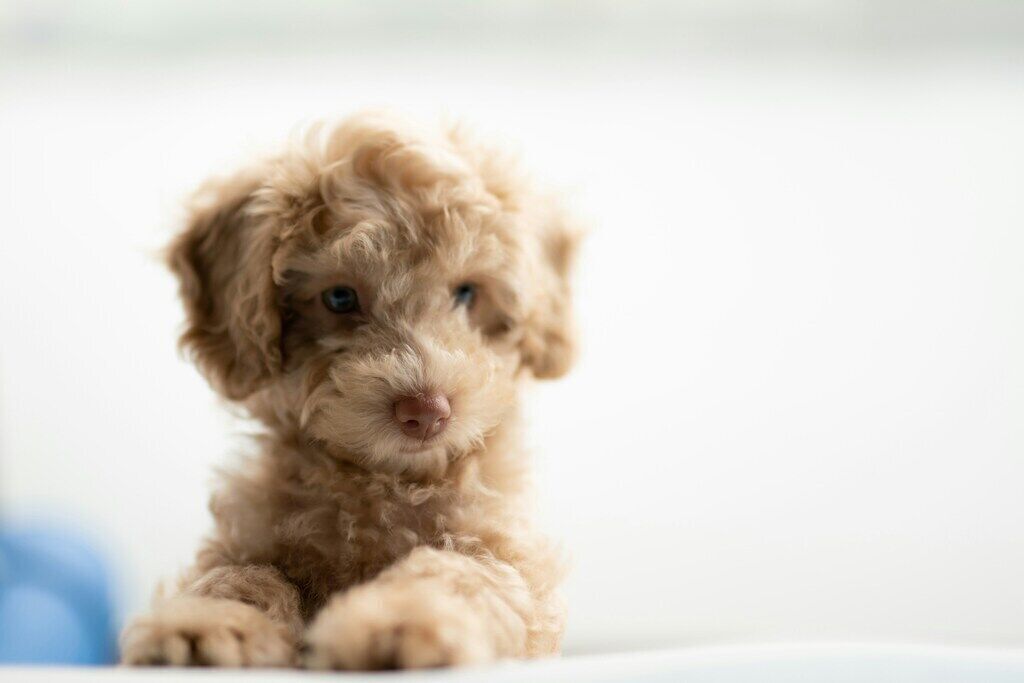
- Coat: Dense, curly, and hypoallergenic. Requires regular grooming to prevent matting. Coat colors include white, black, apricot, cream, red, gray, and parti-color.
- Head: Long, straight muzzle with an elegant expression.
- Eyes: Dark and oval-shaped, conveying intelligence and alertness.
- Ears: Long, flat, and hang close to the head.
- Tail: Often docked in some countries, carried high, emphasizing elegance.
Poodles are athletic, agile, and graceful, reflecting their history as water retrievers and show dogs.
Temperament and Personality
Poodles are renowned for their intelligence, sociability, and playful nature :
- Highly Intelligent: Poodles are among the most intelligent dog breeds, excelling in obedience, problem-solving, and learning new commands.
- Friendly and Social: They form strong bonds with families, enjoy human interaction, and typically get along well with other pets.
- Energetic and Playful: Poodles require both physical and mental stimulation to stay happy.
- Alert and Responsive: They are excellent watchdogs, alerting owners to unusual sounds or visitors.
Poodles thrive in households that provide companionship, structured activity, and enrichment, making them ideal for families, active singles, and seniors seeking intelligent and loving pets.
Care and Grooming
Poodles require regular grooming and care to maintain their coat and health:
- Brushing: Daily brushing is recommended to prevent matting and tangling.
- Haircuts: Professional grooming every 4–6 weeks helps maintain the coat’s elegance and manageability.
- Bathing: Regular baths keep the coat clean and soft.
- Ear Cleaning: Poodles have floppy ears that can trap moisture; weekly cleaning is recommended.
- Dental Care: Daily or weekly brushing helps prevent tartar buildup and oral disease.
Exercise is essential for Poodles, especially Standard and Miniature varieties. At least 60 minutes of activity daily —including walks, play, swimming, or agility training—is recommended. Mental stimulation through puzzle toys, obedience training, and interactive games is crucial to prevent boredom.
Health and Lifespan
Poodles are generally healthy dogs with a lifespan of 12–15 years , though they can be prone to certain conditions:
- Hip Dysplasia: Particularly in Standard Poodles, affecting joint health.
- Progressive Retinal Atrophy (PRA): Can lead to vision loss in some Poodles.
- Addison’s Disease: Affects the adrenal glands and metabolism.
- Epilepsy: Some Poodles may experience seizures.
- Patellar Luxation: Especially in Toy and Miniature Poodles, affecting the knees.
Regular veterinary care, a balanced diet, and proper exercise help maintain health and longevity.
Training and Socialization
Poodles are highly trainable and eager to please :
- Obedience Training: They excel in obedience competitions and respond well to positive reinforcement.
- Socialization: Early exposure to different people, pets, and environments ensures a confident adult dog.
- Mental Stimulation: Training sessions, agility, and scent games keep their minds sharp and prevent destructive behavior.
Poodles’ intelligence makes them quick learners and adaptable to various household and professional roles, from companion to therapy and service work.
Why Poodles Make Excellent Pets
Poodles are elegant, intelligent, and affectionate, making them ideal pets for a wide range of households. They are hypoallergenic, sociable, and highly trainable, which appeals to families, singles, and seniors alike.
Their combination of beauty, intelligence, and playful temperament ensures they are not only stunning but also highly engaging companions. Poodles thrive in environments where they receive attention, exercise, and mental stimulation, and they reward their owners with loyalty and love.
Summary
- Lifespan: 12–15 years
- Temperament: Intelligent, playful, affectionate, and alert
- Care: High—requires regular grooming, exercise, and mental stimulation
- Best For: Families, singles, seniors, and anyone seeking an intelligent, loyal, and hypoallergenic companion
The Poodle is a breed that seamlessly blends elegance, brains, and heart, making it one of the most admired and versatile dogs in the world.