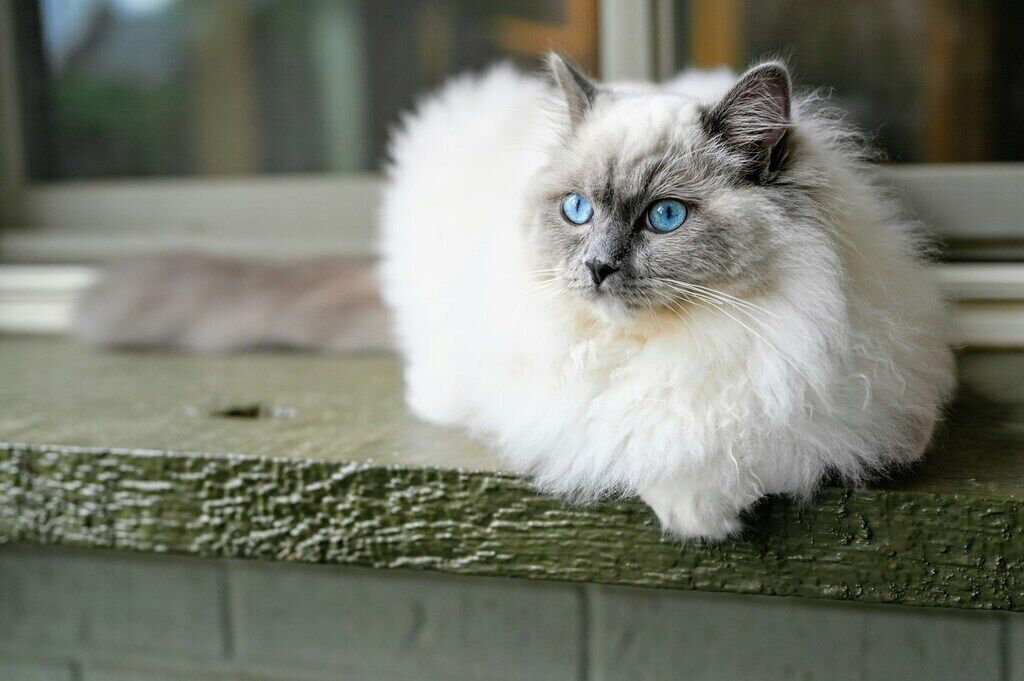

Top 10 Health Tips Every Cat Owner Should Know
Cats are independent and resilient creatures, but that doesn’t mean they don’t need regular care and attention to stay healthy. A cat’s well-being depends on a combination of good nutrition, preventive care, mental stimulation, and a safe environment. Whether you’re a first-time cat parent or a seasoned feline lover, understanding the fundamentals of cat health can make a huge difference in your pet’s quality of life.
In this article, we’ll explore 10 essential health tips every cat owner should know — from nutrition and grooming to vaccinations and mental well-being.
🩺 1. Schedule Regular Vet Checkups
Even if your cat seems perfectly healthy, regular veterinary visits are crucial. Cats are experts at hiding illness, and many conditions (like dental disease or kidney problems) develop silently.
Why it matters:
- Early detection saves lives.
- Preventive care reduces long-term costs.
- Vaccines and parasite control keep your cat protected.
Tip:
Schedule at least one annual checkup for adult cats and two for seniors (age 7+). Keep detailed records of vaccinations, medications, and test results.
🍗 2. Provide a Balanced and Species-Appropriate Diet
Your cat’s diet is the foundation of its health. Cats are obligate carnivores , meaning they require meat-based protein to thrive.
What to look for:
- High-quality animal protein (chicken, fish, turkey).
- Moderate fat levels for energy.
- Limited carbohydrates — cats don’t process grains well.
Avoid:
- Cheap dry foods high in corn, soy, or wheat.
- Too many treats or table scraps.
Pro Tip:
Wet food is excellent for hydration and urinary tract health. A mix of wet and dry food often provides the best balance.
🚰 3. Encourage Proper Hydration
Cats naturally have a low thirst drive, inherited from their desert ancestors. However, dehydration can lead to kidney disease and urinary crystals.
How to keep your cat hydrated:
- Provide fresh water daily.
- Use a cat water fountain — flowing water attracts cats.
- Feed wet food to increase moisture intake.
Watch for signs of dehydration: lethargy, dry gums, and infrequent urination. If noticed, consult your vet immediately.
🦷 4. Take Care of Dental Health
Dental issues are among the most common health problems in cats. Plaque buildup can lead to gingivitis, pain, and infection that may spread to other organs.
Prevention Tips:
- Brush your cat’s teeth regularly using pet-safe toothpaste .
- Offer dental treats or toys to reduce tartar.
- Schedule annual dental cleanings with your vet.
Bad breath, drooling, or difficulty eating may indicate dental disease — don’t ignore these signs.
🪳 5. Stay Ahead of Parasites
Even indoor cats can get fleas, ticks, and worms — especially if other pets or visitors carry them in.
Common Parasites:
- Fleas – cause itching and anemia.
- Tapeworms – often result from flea ingestion.
- Roundworms and Hookworms – may lead to digestive issues.
Prevention Plan:
- Monthly flea and tick treatments.
- Regular deworming.
- Keep litter boxes clean and sanitized.
Ask your vet for products suitable for your cat’s age, weight, and lifestyle.
💉 6. Keep Vaccinations Up to Date
Vaccinations protect your cat from serious and sometimes fatal diseases. Even indoor cats need certain vaccines.
Core Vaccines:
- FVRCP: Protects against feline viral rhinotracheitis, calicivirus, and panleukopenia.
- Rabies: Required by law in many regions.
Non-Core (Optional) Vaccines:
- FeLV: Feline leukemia virus — for outdoor or social cats.
Always follow your vet’s recommended vaccination schedule. Missing boosters can leave your cat vulnerable.
⚖️ 7. Maintain a Healthy Weight
Obesity is one of the most common health problems in cats today. Overweight cats face higher risks of diabetes, joint pain, and heart disease .
How to prevent obesity:
- Measure portions — don’t free-feed.
- Provide daily play sessions for exercise.
- Choose high-protein, low-carb foods.
Ideal Body Condition:
You should be able to feel (but not see) your cat’s ribs and notice a visible waistline from above.
🧠 8. Stimulate Your Cat Mentally and Physically
A healthy cat is not only physically fit but also mentally active. Boredom can lead to stress and destructive behavior.
Enrichment Ideas:
- Interactive toys and puzzle feeders.
- Scratching posts and climbing trees.
- Play sessions using feather wands or laser pointers.
- Window perches for bird-watching.
Rotate toys every few weeks to keep things interesting. Remember: playtime is bonding time!
🧴 9. Groom Regularly — Even Short-Haired Cats
Grooming isn’t just about beauty — it’s essential for health. Regular brushing removes loose fur, prevents matting, and reduces hairballs.
Grooming Tips:
- Brush long-haired cats daily , short-haired cats weekly.
- Trim nails every 2–3 weeks.
- Clean ears gently using cat-safe wipes.
- Check for skin issues or parasites during grooming sessions.
Grooming also helps you detect early signs of health problems like lumps, rashes, or swelling.
🛏️ 10. Create a Safe, Stress-Free Environment
Stress can weaken your cat’s immune system and cause behavioral issues. Cats are sensitive to changes, noise, and unfamiliar scents.
Ways to reduce stress:
- Provide multiple hiding spots and resting areas.
- Keep a consistent feeding and play schedule .
- Use pheromone diffusers (like Feliway) during transitions or travel.
- Introduce new pets or people gradually.
A calm environment helps your cat feel secure and promotes better overall health.
🐾 Bonus Tip: Know the Signs of Illness
Early recognition is key to effective treatment. Watch for:
- Changes in appetite or water intake.
- Unexplained weight loss or gain.
- Lethargy or hiding.
- Vomiting, diarrhea, or litter box issues.
- Excessive grooming or scratching.
If you notice any of these, don’t wait — schedule a vet visit immediately.
❤️ Final Thoughts
Caring for a cat’s health is a lifelong commitment. The best approach is preventive care — staying proactive rather than reactive. With regular vet visits, proper nutrition, mental enrichment, and lots of love, your cat can live a long, happy, and healthy life.
Remember:
A healthy cat is a happy cat — and a happy cat means a happier home.