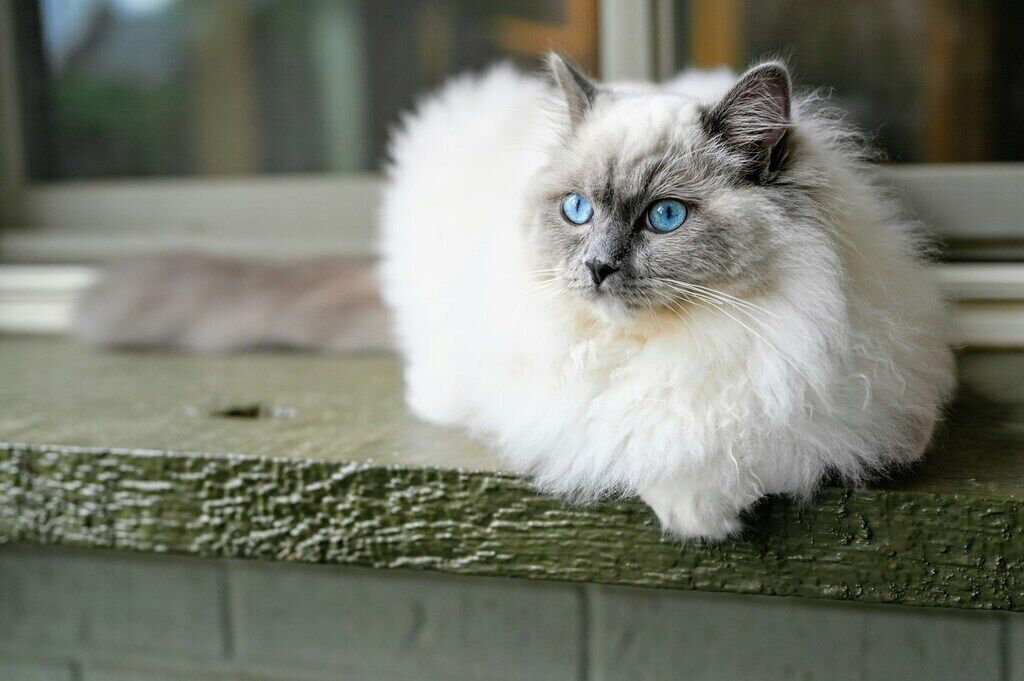
Russian Blue Cats: The Quiet Elegance of the Feline World
The Russian Blue is a breed that exudes grace, intelligence, and quiet charm. Known for its plush silver-blue coat, vivid green eyes, and gentle demeanor, this breed is often described as the aristocrat of the feline world. For cat lovers seeking a companion that combines elegance, loyalty, and playfulness, the Russian Blue is an ideal choice.
Origins and History
The Russian Blue is believed to have originated in the port city of Arkhangelsk, Russia. Local legends suggest that this breed developed naturally in northern Russia, adapting to the cold climate with its dense double coat. In the late 1800s, Russian Blues were introduced to England and other parts of Europe, where they became highly prized for their beauty and temperament.
The breed was recognized by major cat associations in the 20th century and has since gained a reputation as a sophisticated and affectionate companion, admired for its subtle charm rather than overt theatrics.
Physical Characteristics
Russian Blues are medium-sized cats, typically weighing between 3.5 to 5 kilograms (8–11 pounds). They have a slender, muscular build that gives them an elegant yet athletic appearance. Their short, dense coat is one of their most distinguishing features. The double-layered fur has a silvery sheen that gives the Russian Blue a luminous, almost ethereal quality.
Their eyes are large, almond-shaped, and a striking vivid green, adding to the breed’s overall sense of refinement. The face is wedge-shaped with a gentle curve, and the ears are moderately large, upright, and alert. Overall, the Russian Blue conveys a sense of quiet dignity and composure.
Temperament and Personality
One of the Russian Blue’s defining traits is its gentle and reserved nature. These cats are affectionate with their families but often take time to warm up to strangers. They are sensitive, intuitive, and highly intelligent, often anticipating their owner’s moods and actions.
Russian Blues are playful without being overly demanding. They enjoy interactive toys, puzzle feeders, and gentle games of chase. Unlike some more vocal breeds, they communicate subtly through soft purrs, expressive eyes, and gentle body language.
This breed is also known for its loyalty. Russian Blues often form strong bonds with one or two people in the household and may prefer to spend time with them rather than the entire family. Their calm and balanced nature makes them ideal for quiet homes, apartments, or households with older children.
Grooming and Care
Despite their thick, plush coat, Russian Blues are surprisingly low-maintenance. Their short, dense fur resists matting and does not shed excessively. Weekly brushing is usually sufficient to remove loose hairs and maintain their natural sheen.
Because they are sensitive cats, Russian Blues thrive in stable environments. Sudden changes in routine, loud noises, or unfamiliar pets can cause stress, so maintaining a calm household is important for their well-being.
Regular dental care, vaccinations, and annual veterinary checkups are also essential to keep them healthy. Due to their reserved nature, Russian Blues may hide illness, so attentive observation is key.
Health and Longevity
Russian Blues are generally healthy cats with a lifespan of 15–20 years . They are robust and hardy, but like all breeds, they benefit from a balanced diet, moderate exercise, and mental stimulation. Keeping them at a healthy weight is essential, as obesity can lead to joint problems or other metabolic issues.
Signs of good health in a Russian Blue include bright green eyes, a glossy coat, active movement, and a consistent appetite. Any sudden behavioral changes or lethargy should prompt a visit to the veterinarian.
Ideal Home and Family Life
Russian Blues do well in homes where there is consistency and gentle interaction. They enjoy the company of humans but often prefer calm, quiet environments. They may get along with other cats or small dogs, provided introductions are gradual and supervised.
While they enjoy playtime and mental engagement, they are not overly demanding of attention. Many owners describe them as “perfectly balanced” cats: affectionate, intelligent, and dignified without being clingy.
Unique Traits
- Affectionate but reserved: They show love quietly, often through gentle nudges or following their favorite person around.
- Highly intelligent: They can be trained to perform simple tricks and enjoy puzzle toys.
- Clean and tidy: Russian Blues are fastidious groomers and appreciate a clean living environment.
Their subtle elegance and intelligence make them one of the most admired breeds for cat enthusiasts who appreciate quiet companionship over flamboyant antics.
Final Thoughts
The Russian Blue is a cat of refined beauty, intelligence, and emotional depth. Their gentle nature, loyalty, and striking appearance make them exceptional companions for families, singles, or seniors seeking a calm and loving pet. They are quiet observers, playful yet graceful, and their presence adds a sense of tranquility and elegance to any home.
Owning a Russian Blue is like sharing your life with a silent confidant—attentive, loyal, and endlessly captivating.
Summary
- Lifespan: 15–20 years
- Personality: Affectionate, intelligent, quiet, and reserved
- Grooming Needs: Low—weekly brushing
- Best For: Calm households, families with older children, and those seeking a quiet, loyal companion
The Russian Blue proves that elegance and companionship can be quiet yet profoundly rewarding. Their understated beauty and gentle personality leave a lasting impression on anyone fortunate enough to share a home with them.