Rottweiler: The Confident and Protective Guardian
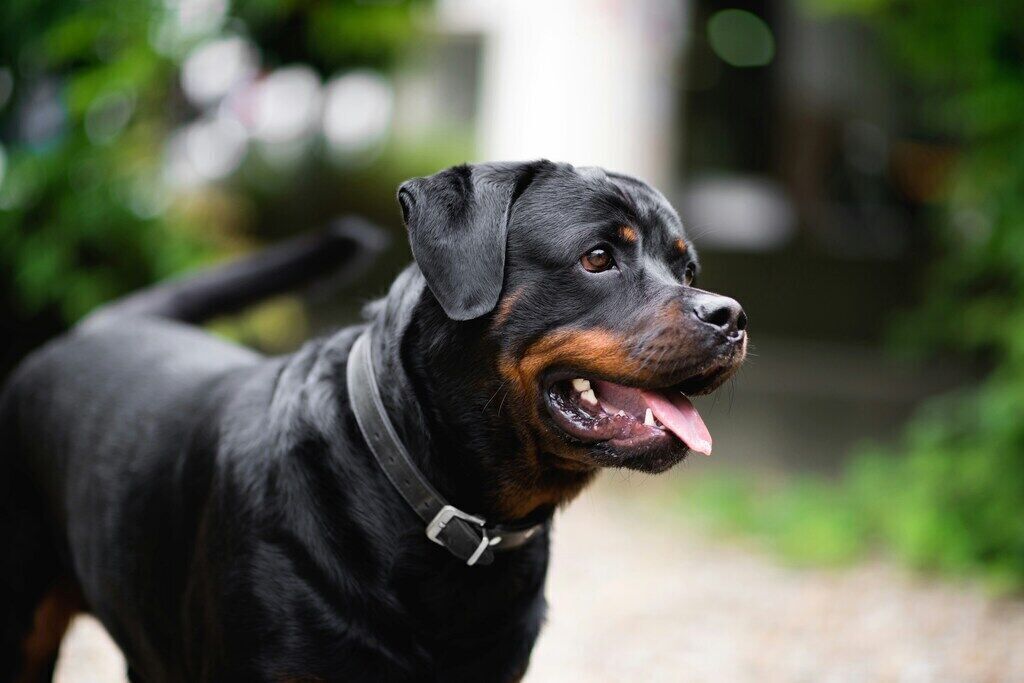
The Rottweiler is a powerful, confident, and intelligent dog breed known for its loyalty, courage, and protective instincts. Often recognized for its strong build and striking black-and-tan coat, the Rottweiler has earned a reputation as both a devoted family companion and a capable working dog. This guide explores the Rottweiler’s history, physical traits, temperament, care, and health considerations.
Origins and History
The Rottweiler’s origins trace back to Roman times when herding and guard dogs accompanied Roman legions throughout Europe. The breed developed in the town of Rottweil, Germany, where they were used to herd cattle, guard property, and protect their owners.
Rottweilers gained recognition for their strength, intelligence, and trainability. Over time, they were used in police and military work, search and rescue, and as personal protection dogs. Their versatility, combined with loyalty and courage, has made them a globally admired breed.
Physical Characteristics
Rottweilers are large and muscular dogs , with males typically weighing 95–135 pounds (43–61 kg) and females 80–100 pounds (36–45 kg) . Their height ranges from 22–27 inches (56–69 cm) at the shoulder.
- Coat: Short, dense, and straight, providing protection from the elements. Typical coloration is black with clearly defined rust or mahogany markings.
- Head: Broad with a moderately arched forehead and strong muzzle.
- Eyes: Dark brown, almond-shaped, conveying confidence and intelligence.
- Ears: Medium-sized, triangular, set high, and carried close to the head.
- Tail: Traditionally docked in some countries; natural tails are strong and slightly curved.
Rottweilers have a powerful, athletic frame that enables strength, endurance, and agility, reflecting their heritage as herding and guard dogs.
Temperament and Personality
Rottweilers are known for their loyalty, confidence, and protective nature :
- Protective: Naturally alert and devoted to family, making them excellent guardians.
- Confident: Calm, assertive, and self-assured, often displaying strong leadership qualities.
- Intelligent: Quick learners who excel in obedience and structured training.
- Affectionate: Loyal and gentle with family members, including children when properly socialized.
Rottweilers require early socialization and training to ensure their protective instincts are balanced with sociable behavior. With proper guidance, they are gentle, loving, and reliable companions.
Care and Grooming
Rottweilers require moderate care , with attention to grooming, exercise, and mental stimulation:
- Brushing: Weekly brushing removes loose hair and keeps the coat healthy.
- Bathing: Occasional baths are sufficient unless the dog becomes particularly dirty.
- Nail Trimming: Regular trimming prevents overgrowth and discomfort.
- Ear Cleaning: Weekly ear checks prevent infections.
Exercise is crucial for this energetic and strong breed. Rottweilers require at least 60 minutes of physical activity daily , including walks, running, play, and structured training. Mental stimulation through obedience exercises, puzzles, and interactive games prevents boredom and promotes behavioral stability.
Health and Lifespan
Rottweilers have a lifespan of 8–10 years and are generally healthy, though they may be prone to certain conditions:
- Hip and Elbow Dysplasia: Common genetic joint problems.
- Heart Issues: Including subaortic stenosis (SAS), which can affect blood flow.
- Cancer: Rottweilers have a higher susceptibility to certain types of cancer.
- Bloat (Gastric Dilatation-Volvulus): A life-threatening condition that requires immediate attention.
- Obesity: Can exacerbate joint and heart problems; proper diet control is essential.
Regular veterinary care, a balanced diet, and adequate exercise help maintain health and longevity.
Training and Socialization
Rottweilers are highly trainable and responsive , but require consistency and firm, positive guidance:
- Obedience Training: Early and structured training is essential for a balanced adult dog.
- Socialization: Exposure to various people, pets, and environments prevents overprotectiveness or aggression.
- Mental Stimulation: Puzzle toys, obedience tasks, and games keep their minds sharp.
Rottweilers excel in police work, protection tasks, obedience competitions, and search-and-rescue operations, thanks to their intelligence, confidence, and trainability.
Why Rottweilers Make Excellent Pets
Rottweilers are ideal for experienced dog owners who can provide leadership, consistency, and love. They are loyal, protective, and intelligent, making them excellent family companions when properly socialized and trained.
Rottweilers thrive in active households where they receive both physical and mental stimulation. With a strong bond to their family, they offer protection, affection, and unwavering loyalty.
Summary
- Lifespan: 8–10 years
- Temperament: Loyal, confident, intelligent, protective
- Care: Moderate—requires grooming, daily exercise, and mental stimulation
- Best For: Experienced owners, active families, and households seeking a protective companion
The Rottweiler is a breed that combines strength, intelligence, and loyalty, making it both a devoted guardian and a loving family member.